

I’m going to be honest: I’ve spent most of my life thinking of diamonds as the ultimate symbol of rarity. We’re taught that they are the pinnacle of “precious,” hidden deep in the earth, requiring immense pressure and time to create. But recently, I stumbled across a bit of research that absolutely floored me.
Did you know there are actually more diamonds on Earth than there are trees?
According to geologists at MIT and other top-tier research institutions using seismic technology, there are over a quadrillion tons of diamonds buried deep in the Earth’s cratonic roots. Meanwhile, a major study published in Nature estimates there are roughly 3.04 trillion trees on the planet. And if we zoom out to look at the whole universe, there are even more diamonds but yet no trees anywhere else in the cosmos! When you look at the math, the “common” oak in your backyard is technically a rarer biological miracle than the stone on a ring.
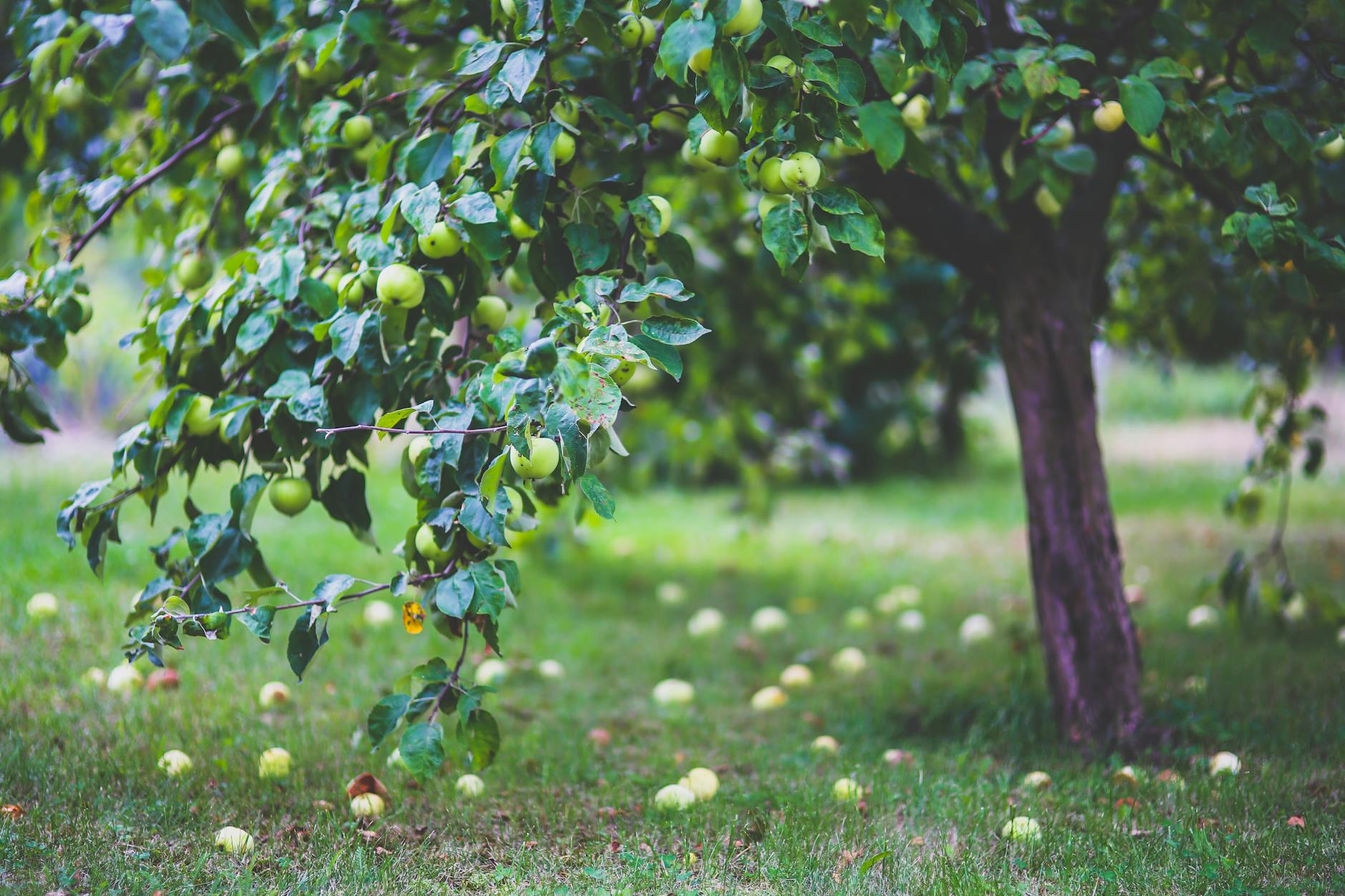
What We Learn From The Garden of Eden
The funny thing about timing? I discovered this tree-to-diamond ratio on the same Sunday I sat in a pew listening to the story of the Garden of Eden.
The first reading took us back to Eve standing in the center of a literal paradise. She was surrounded by every kind of tree—cedars, figs, pomegranates—all of them beautiful to look at and good for food. She was living in a place and time of abundance and peace. But then came the temptation: the one tree she couldn’t have.
It struck me how human that longing is. Eve ignored the thousands of stunning, life-sustaining trees she was invited to enjoy because her focus shifted entirely to the one that was restricted. She took the abundance for granted because it was “available,” and suddenly, the “unavailable” became the only thing worth having. Yet, in reality, just because something appears to be abundant doesn’t mean that it is not limited and irreplaceable.
In my own life, I was feeling overwhelmed at work. My schedule had drastically shifted against my will and my frustration had taken over. As I meditated on this reading, I realized that I had been feeling a sense of entitlement and was only focused on what I no longer had instead of the things I still loved about my work. My life was still filled with so many trees, and as I paused, I could feel that connection to all the people and things that were supporting me in this current moment.
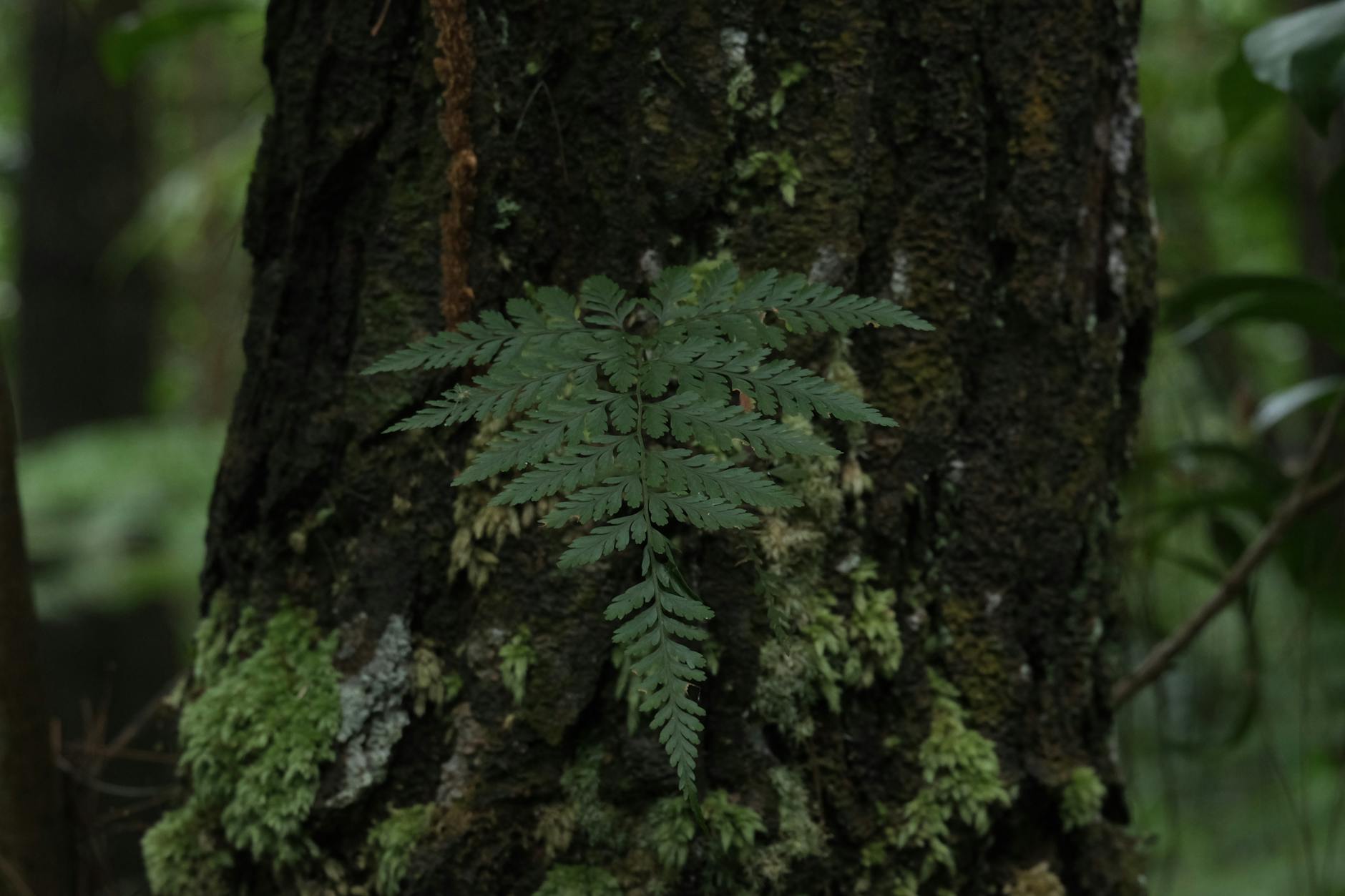
The Rarity Trap
We do this every day, don’t we? We treat people and the nature surrounding us like they are “common” because they are present. We chase the metaphorical diamonds—the career status, the “perfect” future, the things just out of reach—thinking that rarity equals value.
But a tree is a masterpiece of engineering. It communicates through fungal networks, purifies our air, and stands as a silent witness to generations of history. Through transpiration, forests actually create rain. And without trees, the soil would erode away creating dust storms and an inability to grow crops. They sustain our weather patterns and our food sources. These brilliant life-forms are examples to us of how to live. Growing roots, networking with others, bearing fruit, and releasing what needs to die. If you ask me, trees are far more valuable than diamonds.
Refining Your Focus Today
If you’re feeling a little restless or like you’re constantly reaching for “the next thing,” take a look outside.
- The “Common” is actually the Miracle: That tree in your yard is a rarer configuration of atoms and life than a hunk of pressurized carbon.
- Abundance is an Invitation: Don’t be like Eve, staring at the one “No” while standing in a forest of “Yes.”
- Gratitude is the Lens: When we stop valuing things based on how hard they are to get, and start valuing them for what they give, the world turns from a desert of scarcity into a garden of abundance.
Let’s stop chasing the “rare” stuff that’s buried underground and start being in awe of the beauty that’s already reaching for the sky right in front of us.
Here is a simple, grounded meditation to help you move from “chasing the rare” to “cherishing the present.” Grab your journal, find a spot where you can see a tree (even if it’s through a window), and give yourself these three minutes.
The 3 Minute Meditation:

Minute 1: Close your eyes for a moment and take a deep breath. Think about the tree you just saw. Realize that it has been standing there through storms, heatwaves, and quiet nights while the world rushed by. It doesn’t “try” to be special; it just is.
- Journal Prompt: What is one “common” thing in my life right now that I’ve been treating as ordinary, but is actually a miracle?
Minute 2: Visualize the roots beneath that tree. They are twice as wide as the branches, reaching out to connect with other trees, sharing nutrients and information. It is never truly alone.
- Journal Prompt: In what ways am I already supported and “connected” to a source of life, even when I feel like I’m struggling on my own?
Minute 3: Recall the story of Eve. She focused on the one “No” in a forest of “Yes.”
- Journal Prompt: If I stopped staring at the one thing I can’t have (my “forbidden tree”), what are three beautiful things I am currently invited to “eat” and enjoy today?
If you don’t feel like journaling, then let the trees that you see every day be a quiet reminder to refocus your attention on the beauty and abundance that is already present in your life. And why not engage with the tree out in your yard right now? Touch it’s leaves, breathe in its scent, sketch a picture of it, or even climb it and reconnect with childhood joy!
About the Author: Julie Glaser is a healer who creates sacred spaces for others to share, release, and grow. She’s in the habit of being in awe and wonder and writes to share her own experiences with other inquisitive souls in the process of transforming.

 Spiritual Direction and Healing Touch Energy Therapy
Thank you for your beautiful insight and what feels like truth for me. The journal prompts were helpful in my own exploration.
LikeLiked by 1 person
This is a great article! Did you catch this about trees? https://www.smithsonianmag.com/smart-news/treetops-emit-ultraviolet-sparkles-during-thunderstorms-researchers-just-filmed-it-in-nature-for-the-first-time-180988275/#:~:text=Treetops%20Emit%20Ultraviolet%20Sparkles%20During,them%20outside%20of%20a%20laboratory
LikeLike